At mind studios
We develop custom inspection applications that help real estate organizations digitize property inspections, condition reporting, and operational audits — directly in the field.
Whether inspections are part of routine property operations, compliance processes, or asset condition tracking, our inspection apps are designed to support on-site work, offline usage, and structured data collection, while integrating seamlessly with back-office systems.
An inspection app is a mobile-first software solution used by field teams to perform property inspections, record findings, capture visual evidence, and generate structured reports.
Unlike generic form-based tools, custom inspection applications are designed around:
- real inspection workflows
- asset-specific checklists
- photo and video evidence
- compliance and audit requirements
Our inspection app development services help you build solutions that reflect how inspections are actually performed in real environments.
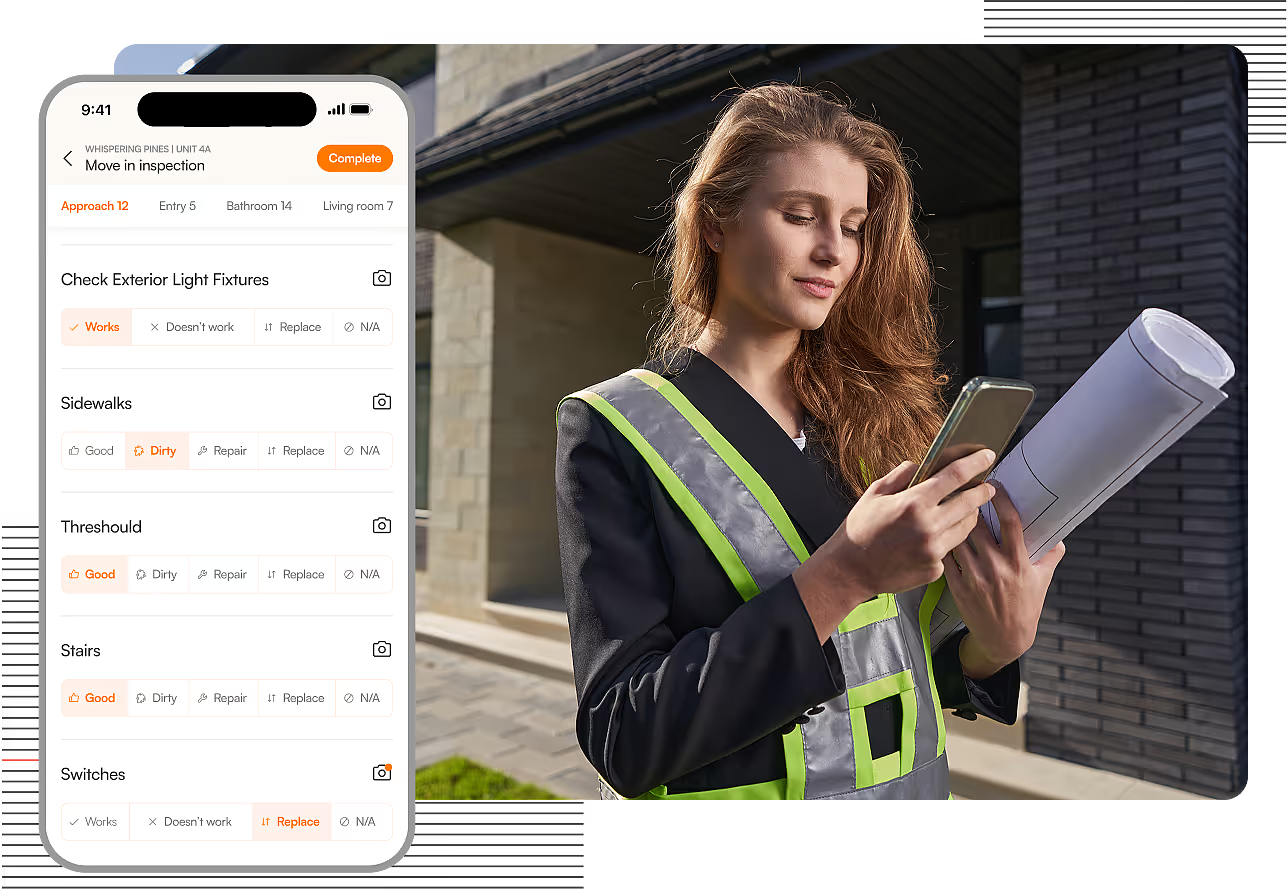
Property management companies
-
Conduct routine property and unit inspections
-
Standardize inspection processes across portfolios
-
Reduce manual reporting and follow-ups
Facility and operations teams
-
Track property condition and maintenance needs
-
Perform operational audits and preventive checks
-
Improve coordination between field and office teams
Affordable housing and compliance-driven organizations
-
Support regulatory inspections and reporting
-
Maintain audit-ready inspection records
-
Reduce administrative overhead
Owner-operators and asset managers
-
Establish asset condition baselines
-
Track changes over time with visual evidence
-
Support long-term maintenance and investment decisions

What a Custom Inspection App Typically Includes
Custom inspection applications are usually designed as mobile-first systems, with supporting web interfaces for management and reporting.

Custom inspection templates and checklists
Photo, video, and annotation capture
Offline data collection with sync
Location and asset-based inspections
Issue tagging and follow-up actions
Automated inspection reports
Role-based access and permissions
The exact feature set depends on inspection types, asset classes, and compliance requirements.
Book a consultationOur Inspection App Development Process

We follow a structured process designed for field-oriented, reliability-critical applications, where usability and data accuracy are essential.
Discovery & Inspection Workflow Analysis
Discovery & Inspection Workflow Analysis
We analyze how inspections are conducted in practice — including field conditions, device usage, reporting needs, and compliance requirements.
Mobile Architecture & UX Design
Mobile Architecture & UX Design
We design mobile-first architectures and intuitive user experiences optimized for speed, clarity, and offline operation.
Iterative Development & Integration
Iterative Development & Integration
We build functionality in stages and integrate inspection data with property management systems, maintenance platforms, document management tools, and reporting systems.
Testing, Deployment & Scaling
Testing, Deployment & Scaling
We test applications in real usage scenarios, validate data consistency, and support scaling across teams and portfolios.

Every phase of our process is grounded in deep inspection and property operations experience. We don’t just build mobile apps — we understand inspection routines, field constraints, compliance workflows, and the operational realities of on-site property assessments.


Field-first product thinking
We design inspection apps for real-world usage — not ideal conditions — prioritizing usability, speed, and reliability.
Custom workflows, not generic forms
We tailor inspection logic, templates, and reporting to your assets, processes, and regulatory environment.
Agile delivery with early validation
You see working versions early, allowing inspectors and operations teams to validate workflows before full rollout.
Integration-focused architecture
We ensure inspection data flows seamlessly into property management, maintenance, and reporting systems.
Long-term product partnership
We support ongoing improvements, new inspection scenarios, and scaling as your operational needs evolve.
Recent success stories
Predictive Real Estate Marketplace with MLS Integration
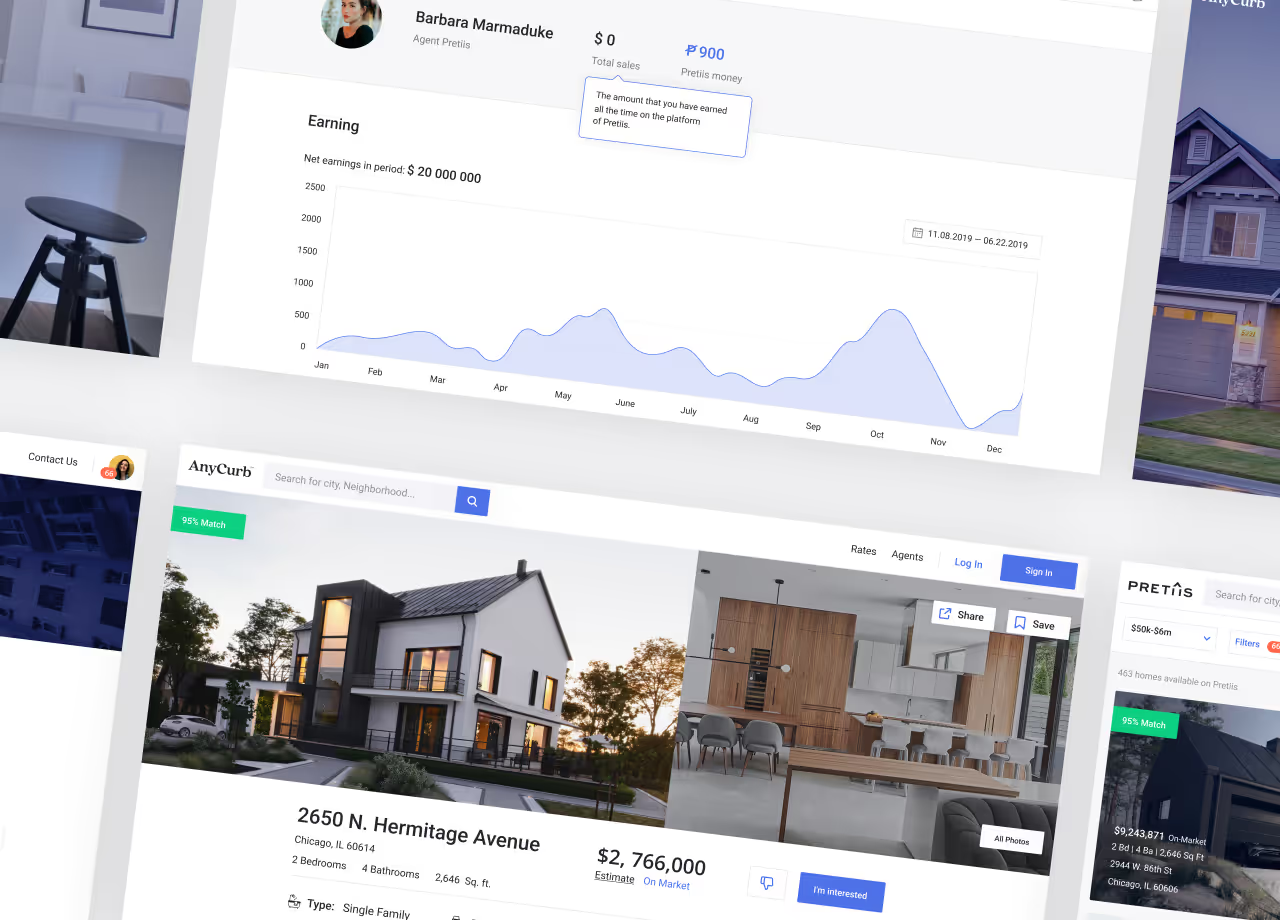
We developed a scalable MLS-integrated platform for AnyCurb, featuring a predictive algorithm that identifies likely-to-sell properties. The solution connects buyers, sellers, and agents while streamlining real estate workflows and supporting smart transactions.
Real Estate Management Platform for MENA region
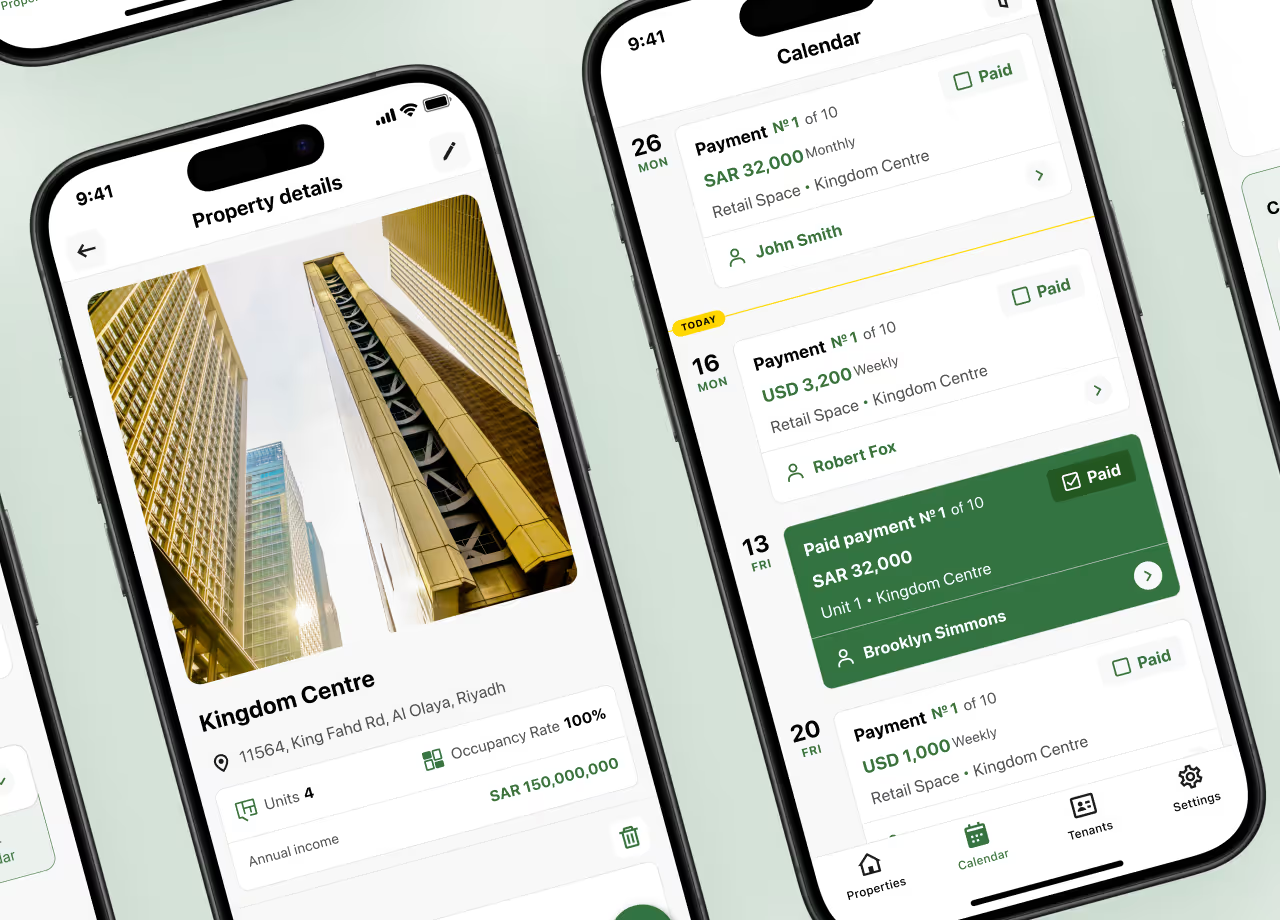
We created Real Estate Management Platform that consolidates financial tracking, AI-powered contract management, task automation, and tenant relations into one scalable system tailored for the nuances of the MENA market.
Digital Rental Platform for the South African Market
We developed Rentorr to fill a gap in South Africa’s long-term rental market, creating a scalable platform with secure user profiles, document verification, and landlord–tenant communication—designed for privacy, usability, and future growth.




Here's what business leaders say about working with Mind Studios on their projects.

From the beginning, the Mind Studios team clearly understood what we were trying to achieve with our project. I appreciated how the team handled everything, and we’re already discussing what’s next.
Whether you’re digitizing inspections for the first time or replacing legacy tools, we can help you build an inspection app that works in real operational environments.
How long does it take to develop a custom inspection app?
Development timelines depend on your inspection complexity and system integration requirements. A basic inspection app with standard workflows typically takes 3-4 months from discovery to deployment. More complex solutions — involving multiple inspection types, conditional logic, compliance frameworks, or integration with property management systems — may require 5-6 months. We validate workflows early with working prototypes so you see progress within the first few weeks.
How do inspection apps integrate with existing property management systems?
We build integration-focused architecture from the start. Inspection data flows directly into your property management, maintenance ticketing, or reporting platforms through APIs or database connections. This eliminates duplicate data entry and ensures inspection findings trigger the right follow-up actions — work orders, compliance reports, or maintenance schedules — without manual handoffs.
Do you provide ongoing support after the app launches?
Yes. Inspection processes evolve — new compliance requirements, additional property types, workflow improvements based on field feedback. We support ongoing enhancements, new inspection scenarios, and scaling as your operational needs change. You're not locked into the initial version; the app adapts as your business grows.
What's the difference between a custom inspection app and a form builder tool?
Form builders create digital versions of paper forms — they're not designed around how inspections actually happen. Custom inspection apps are built for field conditions: offline functionality, asset-specific workflows, photo evidence tied to specific findings, conditional logic that shows relevant questions based on property type or issue severity, and integration with the systems inspectors and operations teams already use. You get an app designed for real-world inspection scenarios, not a generic data collection tool you have to force-fit.
How much does custom inspection app development cost?
Custom inspection app development typically ranges from $50,000 to $150,000+ depending on inspection complexity, the number of user roles, integration requirements, and platform coverage (iOS, Android, web). A basic inspection app with standard workflows, offline capability, and photo capture starts around $50,000-$70,000. Apps requiring multiple inspection types, conditional logic, compliance frameworks, third-party system integrations, or advanced reporting can range from $80,000 to $150,000+.
Mind Insights
Into custom software development.
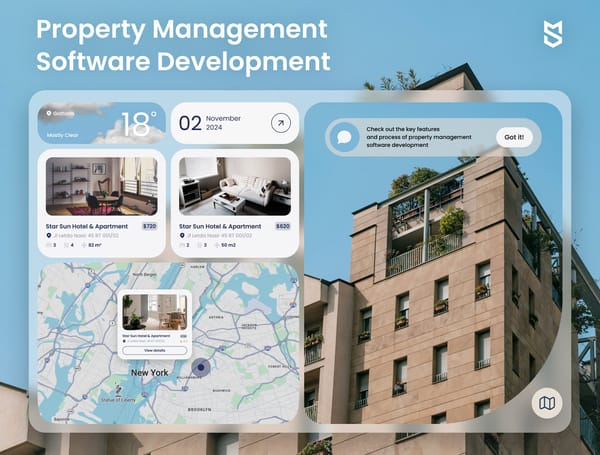
Property Management Software Development: How to Build and Scale Custom Solutions for Real Estate
In this article, we are going to explore real estate management software development — how it streamlines operations, enhances tenant experience, and boosts profitability for real estate owners. Plus, you will get a detailed guide on how to build a property management solution to perfectly fit your business needs.
Successful Strategies to Scale Your Real Estate Business
Our article explores practical real estate legacy modernization strategies, system modernization approaches, and actionable insights based on employing modern technologies and Mind Studios’ proven scaling methods.
How to reach Strategic Growth Through Digital Transformation in Real Estate
Here, we talk about digital transformation in real estate and how technologies help real estate companies stay competitive and thrive in a world of always-changing customer expectations.